Unlock Maximum Access Control Potential With Integrated Video Surveillance
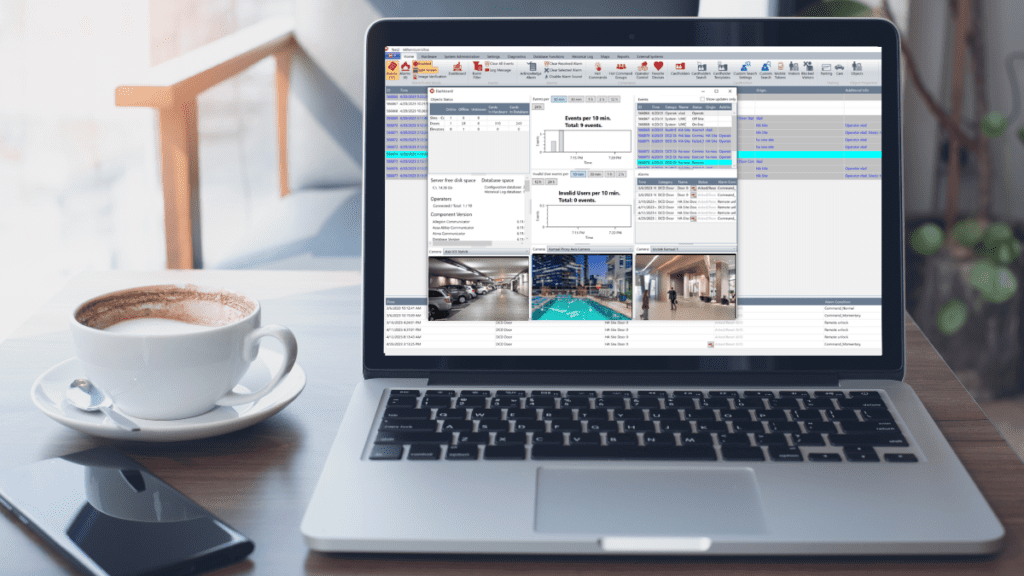
In today’s rapidly evolving world, ensuring the security and safety of our premises has become a paramount concern. Traditional security measures alone may not be enough to address the growing complexities of modern threats. That’s where the integration of video surveillance and access control systems comes into play. By combining these two powerful technologies, organizations can achieve heightened security, improved operational efficiency, and greater peace of mind. In this blog, we will delve into the reasons why integrated video surveillance with access control is not only good but also vital for comprehensive security solutions. Enhanced Situational Awareness: The integration of video surveillance and access control empowers organizations with a holistic view of their premises. By correlating access events with real-time video footage, security personnel can quickly respond to incidents, identify potential risks, and make informed decisions. This enhanced situational awareness enables proactive measures and timely interventions, significantly enhancing overall security levels. Accurate Identity Verification: Access control systems provide a valuable layer of security by restricting entry to authorized personnel. However, the integration with video surveillance adds an extra dimension of identity verification. By capturing video footage of individuals at access points, organizations can verify the authenticity of credentials and prevent unauthorized entry attempts. This powerful combination helps mitigate security breaches and strengthens access control effectiveness. Forensic Investigation and Evidence: In the unfortunate event of security incidents or breaches, the integration of video surveillance and access control plays a crucial role in forensic investigations. By correlating access events with recorded video footage, investigators gain valuable evidence for identifying culprits, understanding the sequence of events, and strengthening legal proceedings. This seamless integration simplifies the retrieval and analysis of relevant footage, saving time and resources during investigations. Operational Efficiency and Streamlined Processes: Beyond security benefits, the integration of video surveillance and access control systems brings notable operational advantages. Integrated systems allow for centralized management, eliminating the need for separate platforms and reducing complexity. Administrators can conveniently configure access permissions, monitor live video feeds, and generate comprehensive reports, all from a unified interface. This streamlined approach simplifies administrative tasks, enhances efficiency, and optimizes resource allocation. Scalability and Future-Proofing: The integration of video surveillance and access control systems offers scalability and future-proofing capabilities. As organizations grow or security requirements evolve, integrated systems can easily accommodate expansions and upgrades. With a flexible and scalable infrastructure, businesses can adapt to changing needs without significant disruptions or costly replacements. This future-proof approach ensures long-term investment value and prepares organizations for future security challenges. Cost-Effective Solution: When it comes to CCTV pricing, our integrated video surveillance and access control system offers exceptional value. Unlike traditional setups that require additional hardware and complex installations, our solution is cloud-based, eliminating the need for extensive infrastructure. With our system, all you need is a camera to capture footage, and everything else is seamlessly managed in the cloud with our Ultra App. This not only simplifies the setup process but also reduces costs, making it an affordable and convenient choice for organizations of all sizes. The integration of video surveillance and access control systems is a game-changer in modern security solutions. It provides a comprehensive and proactive approach to safeguarding premises, assets, and personnel. By combining real-time access control data with video intelligence, organizations gain unparalleled situational awareness, accurate identity verification, and streamlined operations. Moreover, the integration offers valuable forensic capabilities, operational efficiency, and future scalability. Embracing this powerful integration is not only good but imperative for organizations seeking robust and effective security solutions. Get in touch with us today to seize the full potential of video surveillance integration, bolstering your security stance and safeguarding what truly matters.
Gaining the Edge: 5 Key Advantages of Hosted Software
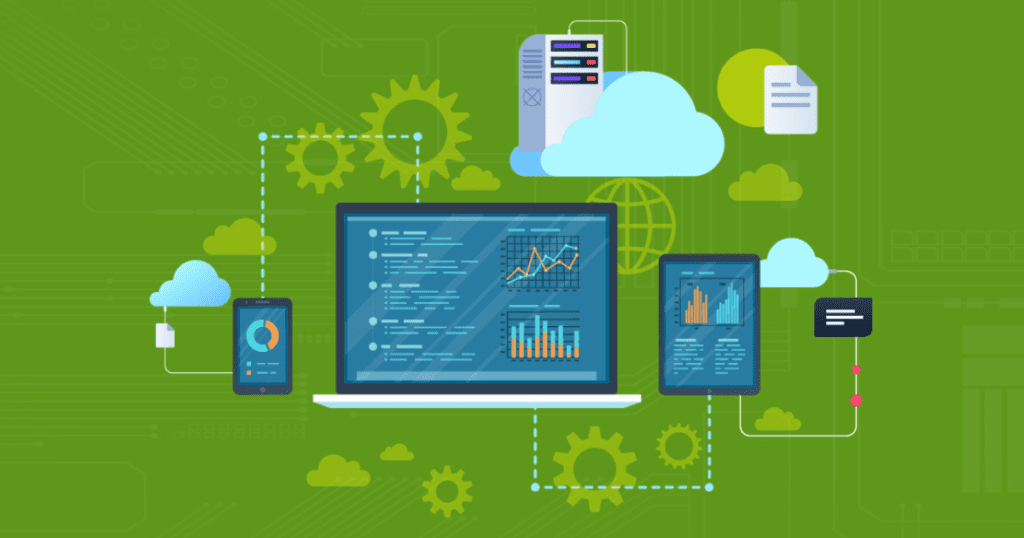
Hosted software, also known as Software as a Service (SaaS), offers a smart and cost-effective solution for businesses aiming to boost their efficiency and productivity. Five Compelling Reasons to Embrace Hosted Software: 1. Cost Savings: By eliminating the need for expensive hardware, software licenses, and IT infrastructure, hosted software ensures cost savings that empower growth. 2. Scalability: Addressing evolving business needs is seamless with hosted software, which effortlessly adapts to changes. 3. Accessibility: Ideal for remote or distributed workforces, hosted software allows access from anywhere with an internet connection. 4. Enhanced Security: Hosted software providers prioritize the latest security measures, safeguarding against cyber threats. 5. Seamless Integration: Streamline workflows by seamlessly integrating hosted software with other crucial business applications. In today’s technology-driven landscape, businesses of all sizes rely on software for streamlined operations and competitive edge. Yet, managing software can become costly and time-consuming. Enter hosted software solutions, a popular choice to overcome these challenges. For a reliable provider, consider the expertise of Millennium Group. Why Millennium Group Stands Out Unmatched Expertise: With over two decades of industry experience, Millennium Group excels in delivering top-tier hosted software solutions. Our dedicated experts constantly refine our products to meet the market’s evolving demands. Seamless Scalability: Adapting to business growth is effortless with our fully scalable hosted software solutions. Easily add or remove users, applications, and features to match your changing needs. Robust Security: Millennium Group prioritizes security, implementing rigorous measures to safeguard your data and systems. Our encrypted and regularly backed-up hosted software ensures unwavering protection. Cost-Efficiency: Eliminate the financial burden of in-house software management. Opt for Millennium Group’s hosted software and enjoy a predictable monthly fee covering all your software requirements. Tailored Support: At Millennium Group, personalized support is at the core of our service. We understand your unique needs and tailor solutions accordingly. Our dedicated support team remains ready to assist whenever needed. In conclusion, for a reliable, scalable, secure, and budget-friendly hosted software solution tailored to your specifications, trust Millennium Group. With extensive experience, unwavering expertise, and a commitment to customer satisfaction, we deliver the optimal solution for your business demands. Elevate your business with Millennium Group’s hosted software solutions today.
A Complete Guide on Access Control Systems
Access control systems are essential in today’s security landscape, providing a reliable way to protect physical spaces and sensitive data. Whether you’re managing a corporate office, a multifamily residential complex, or a healthcare facility, access control solutions offer a streamlined method for securing your premises, ensuring that only authorized individuals are granted access. This guide will explore everything you need to know about access control systems, their features, benefits, and how they can enhance security across various industries. What Are Access Control Systems? An access control system is a security solution used to regulate who can enter specific areas within a building, facility, or restricted zone. These systems ensure that only authorized personnel can enter certain locations, whether it’s an office, server room, or even a secure parking lot. By using authentication methods like keycards, biometrics, PIN codes, or mobile devices, access control solutions provide both physical and digital security. At its core, an access control system helps manage and monitor entry points, offering a high level of security while ensuring that access is granted only to those who have the proper credentials. Why Access Control Systems Matter 1. Reducing Security Risks As security threats continue to evolve, having a robust access control system is more important than ever. In today’s digital and physical world, traditional lock-and-key methods are no longer enough. Modern access control systems use multiple layers of authentication, such as biometric verification and smartcards, to protect against unauthorized entry. For instance, biometric methods like fingerprint or facial recognition are nearly impossible to bypass, offering a higher level of security than conventional PIN codes or keycards. This heightened security significantly reduces the risk of unauthorized access and strengthens overall safety. 2. Streamlining Entry and Exit In fast-paced environments, efficiency matters. Traditional methods of managing access—like physical keys—are slow and prone to human error. With access control solutions, the entry and exit process is fast, automated, and secure. Employees or visitors can access buildings or restricted areas within seconds using smartcards, biometric scans, or mobile devices. Additionally, many cloud-based access control systems integrate with time and attendance systems, allowing businesses to monitor employee hours and enhance operational efficiency. 3. Real-Time Access Monitoring One of the most significant advantages of modern access control systems is the ability to monitor access in real-time. Traditional locks don’t provide visibility into who is entering or leaving a space. However, with access control solutions, every entry and exit is tracked, complete with timestamps, locations, and user credentials. This real-time data allows administrators to quickly detect and respond to security incidents, such as unauthorized access or breached entry points. If a credential is lost or stolen, access can be revoked remotely and instantly, ensuring that your premises remain secure. 4. Flexible and Scalable Security Whether you’re managing a small office or overseeing a large multifamily property, access control systems offer scalability and flexibility. These systems can be easily customized to suit the security needs of any organization. For example, access permissions can be tailored for different users, specifying which areas they can enter and when. This flexibility is especially beneficial for industries that require strict access control, such as healthcare, education, and finance, where sensitive areas must be protected. Key Features of Access Control Systems 1. Authentication Methods The heart of any access control system is its authentication method, which verifies the identity of individuals attempting to enter a secure area. Several authentication methods exist, including: Keycards: Swiping or tapping a keycard at a designated reader grants access to authorized individuals. Biometric Scanning: Fingerprints, facial recognition, and retina scans provide highly secure, unique identifiers for everyone. PIN Codes: Personal identification numbers (PINs) offer a simple, secure method of authentication. Mobile Access: Users can gain access by using their smartphones, leveraging Bluetooth, NFC, or QR code technology. Each method has its benefits, allowing businesses to choose the most suitable solution for their security needs. 2. Control Panels The control panel is the nerve center of an access control system. It processes data from authentication devices (like keycard readers or biometric scanners), stores access credentials, and communicates with locking mechanisms to grant or deny entry. Many modern systems use cloud-based control panels, offering remote management capabilities. 3. Door Hardware The locking mechanism is a crucial component of any access control system. This can range from traditional mechanical locks to advanced electronic locks that can be integrated into the system for greater flexibility. Electronic locks are easier to control, can be remotely locked or unlocked, and are often more secure than traditional locks. 4. Software for Access Management The software component of an access control system allows administrators to manage user credentials, configure access settings, and generate detailed access logs. Many systems now offer cloud-based software that allows businesses to manage their access control remotely, from any location, at any time. 5. Integration with Other Security Systems Integrating cloud-based access control solutions with other security technologies, such as CCTV cameras, alarm systems, and fire detection systems, enhances the overall security infrastructure. For example, integrating access control with surveillance cameras allows businesses to monitor who enters and exits specific areas and verify their identity in real-time. Cloud-Based Access Control Solutions 1. Remote Access and Management Cloud-based access control systems are revolutionizing the way businesses manage security. These systems allow administrators to remotely monitor and manage access from anywhere in the world. This means you can view real-time activity, grant or revoke access, and adjust settings—all from your phone or computer. Cloud solutions also offer greater flexibility, as they don’t require on-site hardware, reducing maintenance costs and providing easier scalability. 2. Cost-Effectiveness and Scalability Cloud-based access control systems are often more cost-effective than traditional, on-premise systems. They eliminate the need for expensive servers and onsite infrastructure, and their scalability allows you to easily add new doors, users, or locations as your business grows. 3. Automatic Updates and Maintenance With cloud-based solutions, updates and maintenance are handled automatically, ensuring that your system always runs the latest software version with the
Revolutionizing the Digital Badging Capabilities in the Access Control Industry
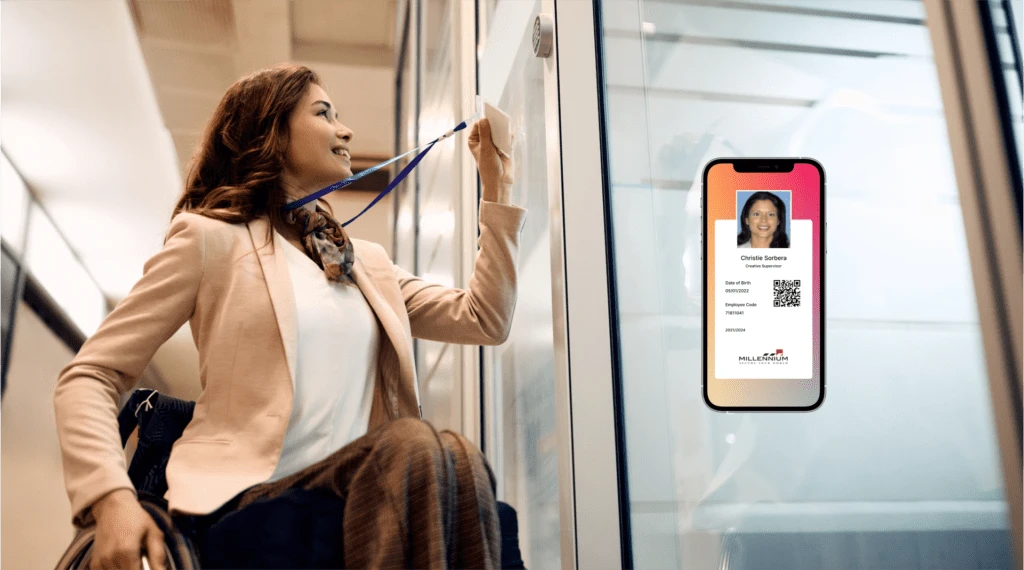
In education, IT, healthcare, or any other industry, it’s vital to recognize and control who enters or exits a facility, however, the subjects of physical access control and identification badges can be a bit confounding. What is a badge entry system? It is an electronic building access control solution that approves access all through the facility utilizing an individual’s ID as the credential. In this way, the identification is utilized for both visual distinguishing proof and access approval. Accordingly, this kind of framework is well-known for industrial and commercial properties. You’ve probably seen badge entry systems previously. A lot of visual media depicts spies swiping ID cards to get to limited regions. But properties don’t need to have a highly classified status to fit the bill for a badge entry system! Properties like schools, college campuses, medical clinics, and places of business ordinarily use badge entry systems for security efforts. Users essentially swipe or scan their ID cards to get to a building and the rooms inside. The badge comes as both an actual card or a digital footprint on your cell phone – the last option comes with countless benefits over the previous one. The framework takes into account the production of custom printed access control credentials. This lets a solitary badge/card or cell phone act as both recognizable proof and access control validation eradicating the requirement for duplication of credentials. The Millennium Badge Module permits you to create and supply your photo ID badges. The badge module consists of several options to fit your needs: a software-controlled digital camera, a high-end imaging capture card, and powerful Ultra Software. Badges can include a bar code, digital signature, or barcoding compatible with our electronic access control systems. The Badging & Access System is very user-friendly and customizable to fit most applications. Data in the system comes from personnel records and identification cards issued by the Federal/State government. Features Of Badging and Identification License via activation Multiple columns and rows per layout Predefined templates Text, image, and drawing objects Ghosting images Image opacity ,asking Manual data entries 1D & 2D barcodes Export card preview Print to Windows printers Single and double-sided printing Import and export images Webcam support Camera support Magnetic coding Create user group profiles Assign/remove users(s) to/from groups Temporarily block user(s) Advanced fraud prevention mechanism Account password expiration feature Hide database information from user(s)/group(s) Hide card template from user (s)/group(s) Benefits of Using Millennium as Badging and Identification Partner Easy Badging Process: Badging module makes the whole process easy. The administrator or operator can place the photo on the already finalized company template in a matter of a few seconds. Further, entry-related data can be copied from the employee’s database. Digital ID – Mobile Identification: Millennium presents a Digital ID that allows the cardholder to carry a digital card on his mobile phone. It can be issued in the form of PDF, JPEG, PNG, etc. instead of carrying a plastic card every time. Safeguard access to your sensitive areas/data: To safeguard access to your premises and/or your data, the employee badge can take on the function of an access control card. This allows you to prevent intrusions by unauthorized persons and, at the same time, protect your employees, infrastructure, property, and data. By adding a barcode, QR code, or direct encoding in the card to the badge, you can easily manage access to your buildings, sensitive zones, and data using the permissions and rights that you define. Default/Custom ID Badge Templates: Millennium has by-default many ID badge templates that you can use for your employees, visitors, contractors, or dealers. Custom-made ID badge templates are also available which makes the system very easy to learn. Read More: All you Need to Know About Access Control System – A Complete Guide Establish a More Professional Image of your Company Portray the colors of your company and strengthen the emotion of belonging with a personalized worker badge developed in line with your company s visual identity. Create: Design your ID card designs through different shapes, font sizes, barcodes, etc Search & Sorting: With the quick search option, get the required data from the cluster in no time and in a precise way. Photo Capture: Take photos utilizing face recognition, auto cropping, and other useful tools. Interface: An interactive and easy-to-use interface that both freshers and experienced graphic designers can use. Placeholder: Use placeholders to smoothly allocate the photo, company logo, barcode, and signature. Conclusion The well-established legacy of a physical keycard for identification being more unassailable than a digital keycard is no longer accurate. Mobile security has grown, and the security exposures of a physical keycard, which can be easily misplaced or cloned, still stay. Similarly, mobile badging provides pervasive, comprehensive security and a personalized experience across all of a company’s platforms, whether on a browser or mobile. While there will still be a role for the physical ID badge, Millennium Ultra has determined to enhance it by offering it a digital twin with features and specifications that other badging companies simply don’t offer.
Revolutionizing Control with Innovative Building Management Systems
In today’s intricate realm of property management, the challenges of overseeing day-to-day building operations and intricate systems can be daunting. Large properties often magnify inefficiencies, escalate operating expenses, and hinder the adoption of cutting-edge technology. Enter Building Management Systems (BMS), a solution designed to address these complexities and empower property owners. This article delves into the features and advantages that BMS brings to the table, shedding light on how they streamline operations and optimize performance. Definition of Building Management System Before we delve into the rich array of features and benefits that Building Management Systems (BMS) offer, it’s important to establish a clear definition. A Building Management System, or Building Automation System, is a computer application designed to oversee an array of mechanical and electronic systems within a structure. Akin to a conductor orchestrating a symphony, a BMS exercises control over crucial systems such as HVAC, lighting, energy consumption, and fire safety. A built-in analytics module allows real-time monitoring of usage patterns, enhancing your ability to make informed decisions. Unpacking BMS Features and Functionality Imagine a “mission control” for your physical building – that’s what a BMS embodies. You can access a sophisticated BMS via your computer dashboard, offering user-friendly navigation and graphics. Whether on a dedicated device or your computer, the interface provides enhanced security measures such as password protection. It’s flexible too, enabling configuration of daily or seasonal schedules for all connected utilities. The BMS serves as the nexus linking various building systems, providing a centralized interface for managing disparate elements. Its core functionalities include: 1. Illuminating Insights: Effortlessly control and monitor lighting, while tracking energy consumption to facilitate informed decision-making. Receive alerts prompting timely bulb replacements, and even schedule outdoor lights to illuminate automatically at night. 2. Enhanced Security: Seamlessly integrate with alarm systems and security cameras, enabling real-time tracking and management to safeguard your property. 3. Fire Safety and Sprinkler System: While primarily for monitoring, the BMS can collaborate with security systems to handle fire alarm panels, ventilation systems, and elevators during emergencies. 4. Access Control: Oversee access points to facilities like parking garages and pools, providing a robust amenity management solution. 5. Climate Optimization: Take charge of heating, air conditioning, and air handling systems to ensure optimal comfort and efficiency. The Benefits of Embracing BMS A BMS is more than just an interface – it’s a gateway to multifaceted advantages: 1. Optimal Comfort: Tailor lighting, air quality, and climate control schedules to ensure comfort for all occupants, enhancing their experience. 2. Efficient Energy Management: By scheduling lighting and HVAC systems, you minimize utility expenses and prolong system life, all while promoting energy efficiency. 3. Seamless Integration: Integrating the BMS with other systems bolsters data flow, facilitating actionable insights for better decision-making. 4. User-Friendly Advantage: Operating a unified BMS system proves simpler, quicker, and more efficient, reducing the risk of human errors. 5. Sustainability Champion: Effective energy management not only reduces operational costs but also contributes to a reduced carbon footprint, enhancing your property’s environmental impact. Selecting the Right BMS Choosing the ideal Building Management System requires careful consideration: 1. Ease of Implementation: Opt for systems with straightforward implementation to avoid complex onboarding and operational hassles. 2. Future-Ready Approach: Ensure the BMS aligns with your long-term goals and accommodates future scalability, preventing frequent system changes. In a landscape where efficiency reigns supreme, Building Management Systems emerge as essential tools for streamlined operations and enhanced sustainability. Their role in centralizing control, optimizing resource utilization, and providing real-time insights makes them invaluable assets for modern property management. As automation technology continues to evolve, the BMS remains a powerful driver in shaping a smarter, more efficient future.
How to Find the Right Installer for Your Business
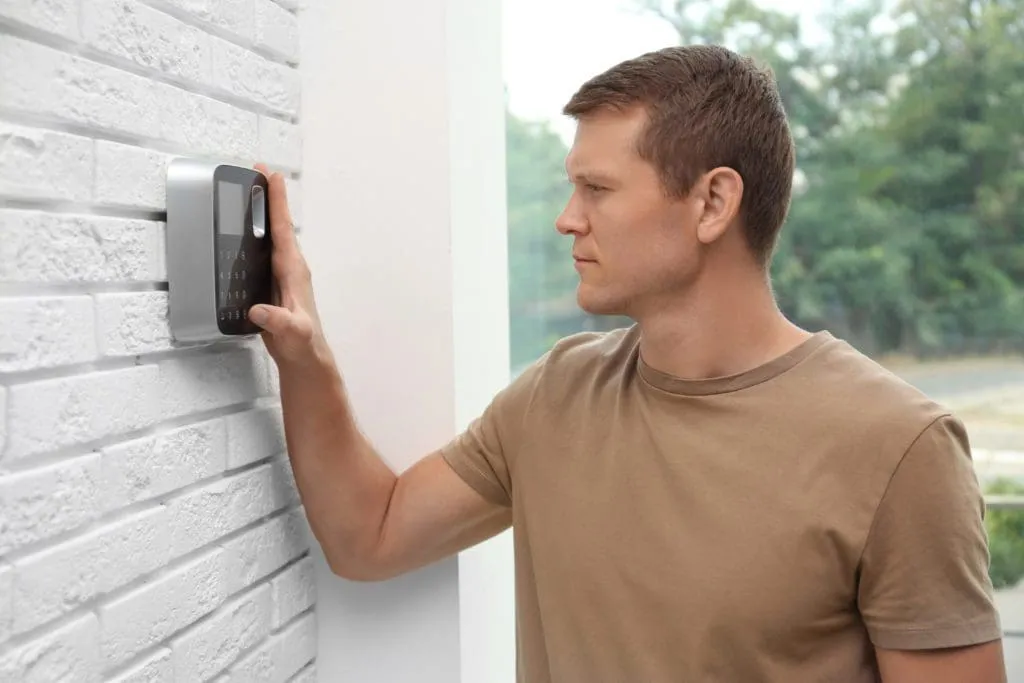
When your business is ready to take the next step, one crucial task is installing a security system for your office. This blog guides you through essential considerations to ensure a well-informed choice for this vital decision. Discover key insights to keep in mind as you select the ideal security system installer for your business. Understand the security needs of your building Depending on the property where your business is situated, you’ll have to understand what your major security needs are. These may include: Access control and manage the visitors Property video cameras should cover Audio Sensors on windows, doors, etc Video cam property management Do video cameras have to be visible, outdoor, indoor or both Integrated safety measures for smoke, fire, water, etc Once you have clarity on these aspects, you’ll find it easier to get an estimate and discuss various security details and solutions with your desired potential access control security control providers. Different types of security systems There are different types of security systems available in the market. So, it is essential to decide which one best suits your business needs and demands. Some of the different types are: A cloud-based security system A cloud-based security system stores all your security data in the cloud. So, your data is easily accessible from anywhere. In any emergency situation, you’ll be able to mediate if the need arises. Moreover, it allows software updates and significantly decreases your maintenance requirements. A hybrid security system a hybrid option lets you access your data from any remote location without the internet. However, you’ll have to spend more because you have to run security software as well as perform on-premises maintenance. Going for a wired or wireless system affects the aesthetics, convenience, and costs of the system. With wireless systems, you don’t have to deal with the wires all around you but they need a connection and are prone to hacking. Wired systems are implementation friendly if the building was planned at the time of construction. No matter which system you end up using, you have to contemplate power backup in case of power outages. Features of the security system Technology has a lot of options and solutions. Below given are several features you should look for while choosing an access security system. Video Security Video feed and cameras allow you to give access to your offices and also check on your property on a regular basis whenever it is necessary. Cam feeds have to be integrated with the smart lock access, which is an amazing choice for everyone but especially for those who are often away from their office. Usually, video cams are installed where valuables, important documents, or data are stored. Apart from these places, it is placed at the entrance and exit points in order to facilitate touchless access for your business. Monitor or not? While exploring door access control solutions, your major motive has to be to find a system that limits access to unauthorized people, at the same time offering secure but convenient entry for the authorized ones. One thing you need to check is if the system is remotely monitored or not. The remote feature enables you to open doors for employees or guests and limit areas and also makes you capable of monitoring your building even when you’re not on the same premises. One has to pay a certain amount on a monthly basis for remote monitoring. But, trust us the amount you pay is worth its services because automated requests are sent to the first respondents and also to the local law enforcement when there is an emergency. An unmonitored system is more affordable but then you have to monitor each and every event in real-time in the same building. Remote Control with a Mobile App The internet today has given us a superpower to control and manage situations and things from a distance. In addition to the internet, the superpower goes to an application on your smartphone or tablet. This app will let you work on your security system’s needs. You’ll in turn get flexibility, convenience, and plenty of peace of mind. Physical Safety Options Environmental safety is always one of the foremost priorities. An effective security approach would be one that includes carbon monoxide detection, smoke, fire, water as well as other environmental factors. With this, your security system will alert you and also the first responders. Energy Consumption and Operating Time You need to decide if you want your system to run 24/7 or only for a specific duration. This will tell you about your energy consumption especially when multiple systems are integrated into one operating system. Your budget Knowing how much you can spend on your system is very important. You can choose from a variety of service plans and price tags. Your planned budget will help you filter out many options, in terms of high or low prices. Then, you’ll be left with a narrow range of options. Businesses in the early stages may want to or need to cut some of their initial operating or investment costs. However, don’t cut any costs at the expense of your security. The property and the lives both will depend on it. In case you choose a long-term service contract, there are chances that you don’t have to pay a fat amount upfront because many providers are ready to spread the amount over the term of the service. Benefits of Access Security System 1. Simplified Management This is the top benefit of the access control system. It simplifies the management process of handling credentials of your employees, tracking, and security. 2. Track Every Activity Once you have installed an access control system, tracking every activity will become so easy and simple for you. This includes activities from your employees or even visitors, guests, and delivery persons. 3. Adjust Access Times The modern access control systems make it easier for you to set specific access times for anyone including your employees, visitors, or
Top Access Control Trends for 2025
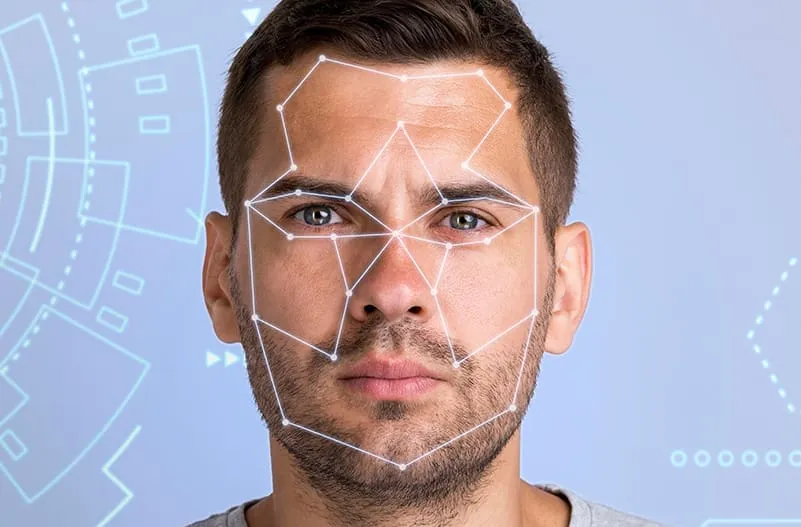
Updated on December 20, 2024 Access control trends 2025 showcase groundbreaking innovations that prioritize user-friendly experiences, robust integrations, and advanced operational capabilities. As technology continues to evolve, organizations must consider how these trends can elevate their security systems. Let’s explore how access control is transforming in 2025 and what organizations should consider enhancing their security strategies. Cloud-Based Access Control Systems: Centralized and Scalable Cloud-based access control systems are rapidly becoming essential and will become the top access control trend in 2025. These systems offer centralized management for security teams, making it easier to handle multiple sites from one platform. By moving to the cloud, businesses can unify control over access credentials, monitor system health, and manage configurations remotely. The scalability of cloud-based solutions allows businesses to expand their security infrastructure without significant hardware investments. As organizations grow, they can easily add more sites or users without overhauling the entire system. Additionally, cloud solutions offer cost-effective disaster recovery and simplified software updates, ensuring that organizations stay up to date with the latest security features without disrupting operations. This cloud-centric model reduces reliance on physical hardware, saving space, and improving operational efficiency. It also enables security teams to streamline data sharing, enhance collaboration, and quickly implement changes across various sites. For businesses with multiple offices or facilities, the centralized nature of cloud access control helps ensure that security is never compromised, even as operations expand. Mobile and Contactless Access: A Seamless User Experience Mobile-based access continues to replace traditional credentials like keycards and fobs, and this access control trend is only set to grow in 2025. The shift to mobile and contactless access provides a more secure and user-friendly experience. Employees, visitors, and contractors can use their smartphones or wearable devices for seamless entry into secure areas, eliminating the need for physical cards and reducing the chances of lost or stolen credentials. By leveraging technologies like Bluetooth, NFC, and QR codes, mobile access solutions ensure fast, reliable, and secure entry. Customizable mobile credentials also allow organizations to integrate visual identity features—such as job titles, department designations, or photos—into the access system, enhancing both security and user experience. Mobile credentials are more than just a convenience; they represent a significant leap forward in access control technology. The security features embedded in smartphones, such as biometric authentication, encryption, and secure communication channels, make mobile access a safer option compared to traditional physical cards. With the ability to remotely deactivate or update credentials, mobile-based access control provides organizations with flexibility and peace of mind. So, don’t be surprised if this solution becomes the top access control trend in 2025. Touchless Technology: Enhancing Hygiene and Efficiency The growing demand for touchless access solutions has been a game-changer, particularly due to the heightened focus on hygiene and reducing physical contact in the wake of the global pandemic. Touchless systems, which often rely on motion sensors, facial recognition, or mobile credentials, offer a modern and hygienic way to navigate buildings without the need to touch any surfaces. These technologies not only improve hygiene but also reduce wear and tear on physical hardware. As more users interact with access systems, devices are subjected to frequent use and potential damage. Touchless technology extends the lifespan of devices by reducing the frequency of contact and minimizing physical strain. This results in fewer maintenance needs and cost savings in the long run. As organizations focus more on the well-being of their employees and visitors, touchless systems become a significant part of the access control landscape. They enhance the overall user experience by making entry faster and more convenient while promoting a safer, cleaner environment. Smart Automation: Streamlining Operations The next in the access control trends list is Automation. By integrating access control systems with building management platforms, businesses can automate a wide range of processes, such as locking schedules, occupancy monitoring, and visitor registration. Automated systems reduce the manual effort involved in managing security tasks and provide a more efficient approach to operational management. For example, in an emergency scenario, automated lockdown protocols can trigger swift and coordinated responses across multiple locations. This ensures that all entry points are secured immediately, and relevant authorities are notified, without requiring manual intervention. Similarly, automated systems can adjust access privileges for users based on factors like location, time of day, or security risk level, ensuring that only authorized individuals can access specific areas at appropriate times. Smart automation enhances operational efficiency by eliminating the need for time-consuming administrative tasks and improving security coverage. With automation, organizations can focus on higher-priority security concerns, knowing that routine tasks are being handled automatically. Video-Integrated Access Control: Enhanced Situational Awareness Video-integrated access control systems are rapidly gaining traction and will continue to do so in 2025, combining access control and video surveillance for a more comprehensive security solution. This integration allows security teams to view real-time video footage in conjunction with access events, providing instant visual verification of an entry attempt. By combining video data with access control logs, security personnel can quickly assess whether an entry was legitimate or if an alert needs to be raised. This integration also makes it easier to review incidents and conduct investigations. Video surveillance systems can be integrated with cloud storage solutions, allowing for easy access to recorded footage from anywhere. The ability to monitor both video and access events from a single platform enhances situational awareness, improves incident response times, and helps organizations make better security decisions. Video-integrated access control enables a holistic approach to security, making it easier to protect assets and personnel while optimizing security operations. This makes it as one of the top access control trends for 2025 Remote Management: A Flexible Security Solution Remote management is a critical cornerstone of modern access control trends for 2025. With an increasingly hybrid workforce, businesses need systems that enable administrators to oversee and manage security operations from anywhere. This access control trend supports hybrid work environments by providing the flexibility to monitor and update credentials, manage incidents, and
A Complete Guide to Parking Access Control System
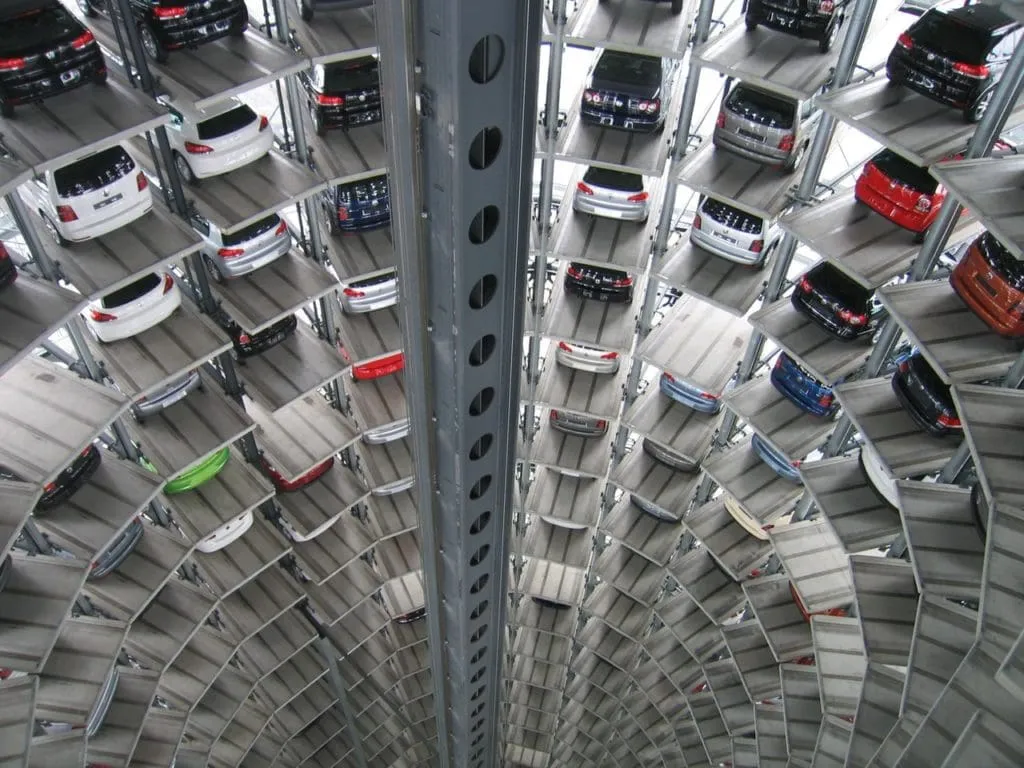
Updated on December 9, 2024 Managing parking facilities is a complex task, requiring efficient systems to regulate the influx and outflux of vehicles while ensuring security and ease of access for users. Parking access control systems, ranging from manual management to fully automated solutions, are designed to address these challenges effectively. This comprehensive guide explores key aspects of parking access control systems, their benefits, and various technologies that have transformed parking management in recent years. What is an Automated Parking Lot Access Control System? An automated parking lot access control system is a solution that enables facility owners to manage parking operations efficiently, restrict unauthorized access, and generate revenue. These systems rely on a combination of physical access control mechanisms, credential management, and integrated payment solutions. Automation introduces significant advantages, such as reducing operational costs, enhancing security, and improving user experiences. Automated parking systems typically use ticketing machines with barcodes, QR codes, or magnetic strips, paired with software for seamless tracking and management. Whether through fully automated systems or hybrid solutions incorporating human oversight, automation ensures a safe, efficient, and user-friendly parking experience. Types of Parking Lot Access Control Systems Key/Remote Access This traditional system works well for long-term users but presents challenges for short-term users. The potential for key loss and unauthorized use makes it less secure compared to modern solutions. Keycard or Key Tag Access Similar to key-based systems, keycards offer enhanced security by allowing administrators to deactivate lost or stolen cards. This method is suitable for both permanent and mid-term users, especially in commercial settings. Keypad Entry Keypads grant access using personalized or general codes. Their flexibility and ease of installation make them a popular choice for short-term users, such as visitors to residential complexes or offices. Codes can be programmed for limited time use and deactivated as needed. License Plate Recognition (LPR) LPR technology uses cameras to read and verify license plates, allowing seamless entry for registered vehicles. This method eliminates the need for physical credentials and simplifies tracking time spent in the facility. Phone Number Recognition Users call a designated number to trigger gate access, ensuring only verified individuals gain entry. This system works well for all types of users, from short-term visitors to long-term tenants. Mobile App or Mobile-Based Access and Contactless Mobile apps have become integral to modern parking systems. These apps allow users to access parking facilities via mobile-based credentials, providing a highly user-friendly solution. Additionally, the inclusion of contactless functionality ensures a smooth and secure experience by enabling proximity-based access, where users don’t need to physically touch any devices. This system is becoming increasingly popular for its convenience, especially for short-term and transient users. Advantages of Automated Parking Access Systems Automated parking lot access solutions offer several advantages over traditional methods, making them a smart investment for facility owners: Enhanced Operational Efficiency By replacing manual processes with automated systems, parking facilities can streamline operations, reduce wait times, and eliminate bottlenecks at entry and exit points. Cost Reduction Automation minimizes the need for on-site staff, lowering payroll expenses. Machines efficiently handle ticketing, traffic direction, and payment collection. Increased Revenue Integrity Automated systems reduce revenue leakage by preventing employee-related thefts and mitigating errors in manual transactions. Comprehensive Data Insights Automated systems maintain detailed records of all transactions, offering valuable data for analytics. Facility owners can use this information to identify trends, optimize parking capacity, and enhance decision-making. Improved Security Advanced access control mechanisms like LPR and RFID technology ensure that only authorized vehicles gain entry, reducing the risk of unauthorized access and related incidents. Choosing the Right Parking Lot Access Control System Selecting the ideal system depends on the unique needs of your parking facility. Factors to consider include: User Base: Assess whether your users are short-term visitors, long-term tenants, or a mix of both. Security Requirements: Prioritize systems like LPR or RFID for high-security locations. Ease of Use: Ensure the system is intuitive and accessible for all users, including those unfamiliar with advanced technology. Scalability: Opt for solutions that can grow with your facility’s needs, accommodating increased traffic or expanded services. By aligning your choice with these factors, you can create a tailored parking access solution that balances security, efficiency, and user satisfaction. Innovations in Parking Lot Access Control Technology The parking industry has witnessed remarkable technological advancements in recent years. These innovations aim to enhance the user experience, boost efficiency, and ensure sustainability: Cloud-Based Parking Management Cloud-based platforms offer centralized management of multiple parking facilities, enabling real-time monitoring and remote control. This approach enhances scalability and reduces the need for on-site infrastructure. Smart Sensors Smart sensors embedded in parking spaces detect vehicle presence, providing real-time availability updates to users via mobile apps. This feature reduces the time spent searching for parking spots. Mobile Integration Mobile apps have become integral to modern parking systems, offering features such as digital payments, navigation to available spaces, and reservation management. Renewable Energy Solutions Sustainable parking facilities now integrate renewable energy sources like solar panels to power access control systems, lighting, and EV charging stations. Advanced Analytics Data analytics tools analyze parking patterns, helping facility owners optimize space usage and implement dynamic pricing models to maximize revenue. Real-Life Applications of Parking Access Control Systems Parking access control systems are deployed across various sectors, demonstrating their versatility and impact: Corporate Offices Automated systems streamline employee parking, reducing entry times and minimizing delays. Advanced features like LPR ensure secure access for registered users. Residential Complexes Secure access control mechanisms, such as keypads or phone recognition, offer convenience and safety for residents and visitors alike. Commercial Parking Lots Dynamic systems handle high traffic volumes efficiently, incorporating automated ticketing and payment solutions to optimize operations. Healthcare Facilities Hospitals and clinics benefit from smart parking systems that prioritize patient and staff access while accommodating emergency vehicles. Educational Institutions Universities use automated parking solutions to manage large student and staff populations, ensuring organized and secure parking facilities. Future Trends in Parking Lot Access Control As urbanization and technology
Elevator Access Control Simplified: A Comprehensive Guide
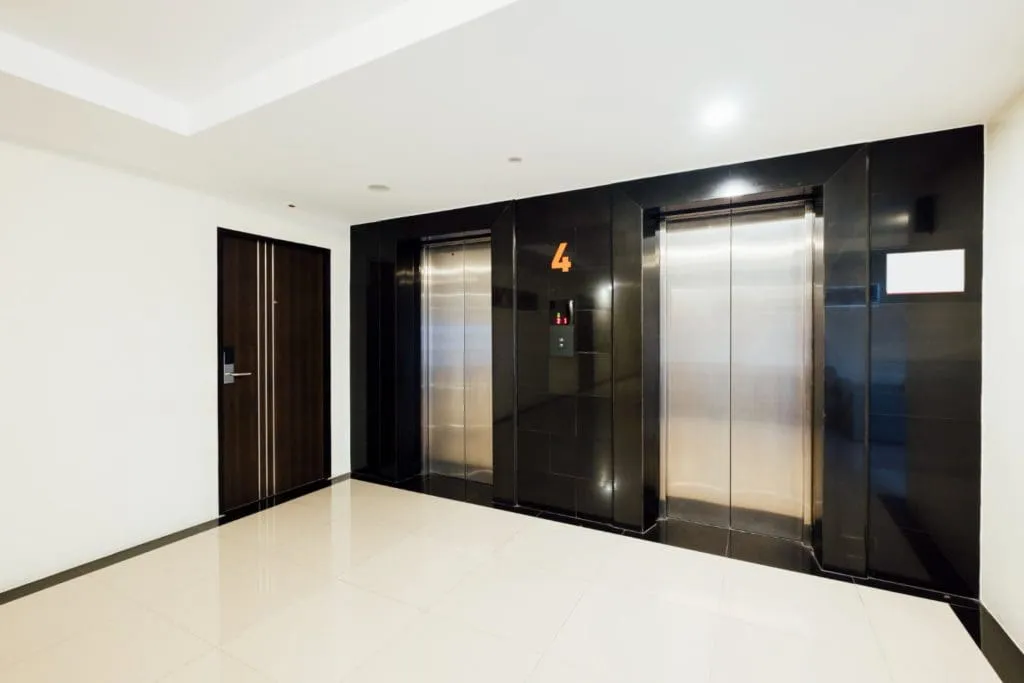
Updated on December 9, 2024 In modern building management, elevator access control has become essential to secure and restrict movement within multi-floor facilities. Unlike conventional access control, where authorized users simply open doors, elevator access control directs movement through multiple building levels, limiting floor access to only those permitted. This guide delves into the mechanics of elevator access control, including how it works, types of systems, credentials, configurations, security challenges, and evolving cloud-based technologies. With this knowledge, building managers and property owners can elevate their security measures to enhance building convenience and safety. Deciphering the Functionality: An elevator access control system relies on three main components: Elevator Control Buttons: Used to open and close doors, make emergency calls, and select floors. Access Readers: These devices, using RFID, keypads, or biometric scanners, verify that users have the proper credentials to access specific floors. Access Control Panel: This control hub manages user data and permissions, typically as an on-site server or through a cloud-based solution. Together, these components ensure that only authorized personnel can access certain floors, promoting security and safety in sensitive areas like office buildings, medical facilities, or high-rise residential complexes. Streamlined Usage Instructions Using elevator access control is straightforward. Upon entering the elevator, a user presents their credential—be it a keycard, mobile phone, PIN, biometric scan, or one-time code. If authorized, the system allows the elevator to move to the designated floor. Unauthorized users will be restricted from selecting or accessing restricted floors. Types of Elevator Access Control Credentials To accommodate various security needs and user preferences, elevator access systems support different types of credentials: Mobile Credentials: Allows users to access floors by tapping a mobile device, reducing the need for physical keys or cards. Keycards, Fobs, or Badges: The most common credentials, these provide reliable access when swiped or tapped. PIN or Passcode: Ideal for temporary or multi-user access, users enter a code to gain access to specific floors. One-Time Code: This credential type is ideal for one-time visitors, such as deliveries, allowing managers to provide a temporary access code that expires after use. Biometric Access: Uses unique user data, like fingerprints or facial recognition, to ensure high-security access. Configurations of Elevator Access Control Systems Elevator access control can be customized to fit specific building needs. Here are four common configurations: Private Elevator for General Access: Users require authorization to summon the elevator but can access any floor freely once inside. Public Elevator with Restricted Floor Access: The elevator can be called without restrictions, but access to certain floors requires credentials. Private Elevator with Selective Floor Access: Users need authorization both to call the elevator and to access specific floors. Destination Control System (DCS): This advanced system allows users to select their destination on an external panel, which optimizes elevator usage based on the scanned credential, directing users to specific elevators. The Rise of Cloud-Based Elevator Access Control With remote work and evolving security needs, cloud-based access control systems are gaining popularity. These systems allow remote management and monitoring, making them ideal for multi-location building owners and property managers. They also support seamless updates and scalability, adapting easily as buildings add new floors or tenants. Popular Cloud-Based Options Include: Single Elevator Access Control: A cost-effective solution for small buildings or residences. Elevator Banks: Suited for high-rise commercial buildings where multiple elevators serve various floors. Smart Elevators: Integrates multiple elevators into a centralized system, ideal for office towers where efficient elevator use is essential. Expanded Security Enhancements Modern elevator access control systems offer enhanced features to ensure both convenience and heightened security: Time-Based Access Permissions: Limits floor access to specific hours, suitable for facilities with restricted visiting hours. User Logging and Reporting: Tracks access attempts and movements, providing insights for security audits. Anti-Passback Technology: Ensures credentials can’t be reused immediately, reducing the risk of “tailgating” unauthorized entry. Integration with CCTV: Pairs elevator access logs with real-time video, allowing security teams to monitor and respond to potential threats efficiently. Detailed Challenges and Solutions in Elevator Access Control Elevator access control faces unique challenges due to frequent public use and the potential for security lapses. Here’s a look at some common issues and solutions: Tailgating: One of the most common issues, tailgating involves unauthorized individuals entering behind an authorized user. Anti-tailgating technology and clear user guidelines can help mitigate this risk. System Failures: Elevator access systems must remain operational even during power outages or software failures. Back-up power sources and fail-safe protocols can keep elevators running in an emergency, ensuring user safety. Credential Security: Lost or stolen credentials, like cards or mobile devices, can compromise security. Multi-factor authentication and biometric credentials offer additional protection by tying access to a user’s unique characteristics. Technological Advancements in Elevator Access Control In the ever-evolving landscape of building security, modern elevator access control systems integrate cutting-edge technologies to help overcome common security challenges. Here’s how these systems integrate with other technologies to enhance reliability and security: Mobile Access Control Integration: Mobile access control systems enable building managers to remotely grant access to elevators using mobile devices. This capability is especially useful in managing visitor access and responding to emergencies quickly, all without the need for physical presence on-site. Video-Based Analytics Integration: Advanced access control systems integrate seamlessly with video surveillance, using video-based analytics to detect unusual behavior patterns near elevators. By analyzing real-time footage, the system can identify potential security threats, alerting personnel to suspicious activities, and allowing for quicker response times. This integration also allows for footage to be linked directly to specific access events, simplifying the process of security review and incident management. Tenant Management Module: Access control systems offer robust tenant management features, enabling multi-tenant buildings to customize and streamline access for each tenant. This module ensures that tenants can only access floors or areas relevant to their needs, minimizing security risks and ensuring that authorized personnel have controlled access across different building levels. Visitor Management Module: A visitor management module integrated with the
Mobile Access Control: What are Mobile Credentials?
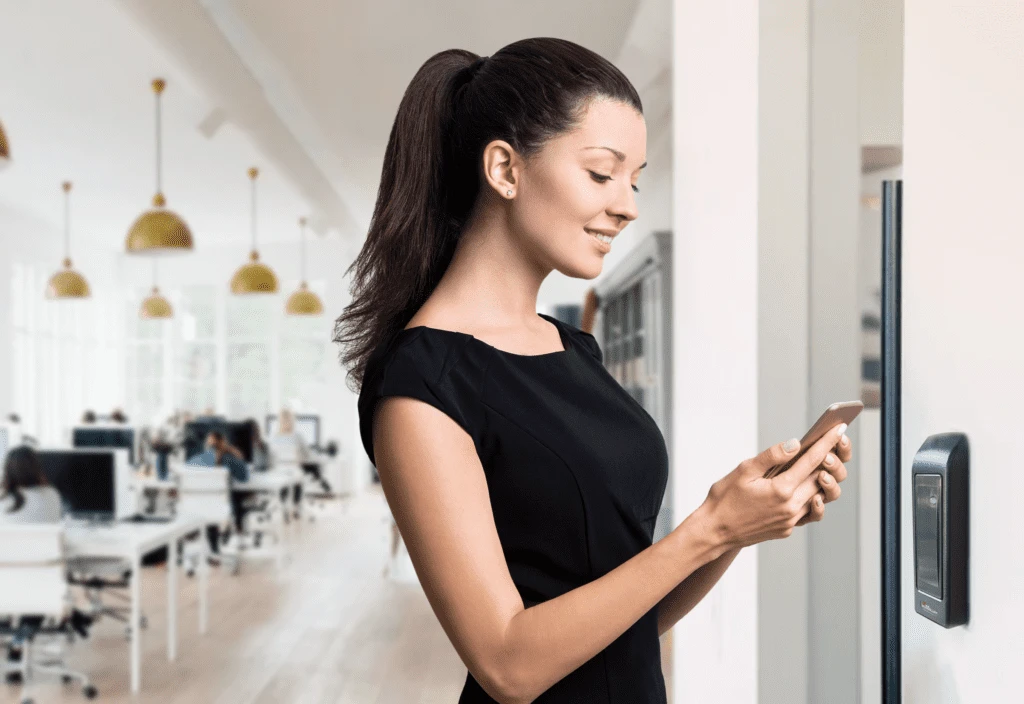
Updated on December 9, 2024 A mobile access control system enables smartphones, tablets, and smartwatches to serve as digital keys, providing convenient, secure access to restricted areas. This technology is rapidly transforming the access control industry, offering a more efficient and flexible solution compared to traditional keycards, fobs, and badges. With the rise of IoT and smartphones, mobile access control is becoming a preferred choice for organizations worldwide, as illustrated by a Gartner report stating that 20% of organizations have transitioned from physical to mobile credentials What is a Mobile Access Control System? Mobile access control replaces physical access methods with digital credentials stored on mobile devices, allowing secure access through Bluetooth Low Energy (BLE), Near Field Communication (NFC), and cloud-based remote access. By integrating these technologies, the system allows proximity-based access through secure connections between the reader and the mobile device. For additional convenience, many systems also allow remote access. This feature enables users to unlock doors from any location via a mobile app, ideal for granting access to remote employees, temporary workers, or visitors without requiring physical presence at the site. The accessibility and flexibility of this feature significantly expands use cases for mobile access control, particularly in larger buildings and geographically dispersed facilities. How Does a Mobile Access Control System Work? A mobile access control system has five core components similar to traditional access systems: access points, personal credentials, readers, control panels, and access servers. However, instead of relying on physical cards, mobile access control uses digital credentials stored on smartphones. By integrating BLE and NFC technology, the system allows proximity-based access through secure connections between the reader and the mobile device. Mobile access systems can also leverage cloud-based remote access, allowing administrators to grant or revoke access from anywhere, making it a convenient solution for managing multi-site operations or providing temporary access. The Advantages of Mobile Credentials Superior Security Measures Mobile credentials are more secure than traditional keycards and fobs. Key security benefits include: Unclonable Devices: Unlike physical cards, smartphones cannot be cloned, drastically reducing the risk of unauthorized access. Built-in Security Features: Mobile devices offer built-in security, including passcodes, fingerprint scanning, and facial recognition, adding multiple layers of protection. Two-Factor Authentication: High-security areas can implement two-factor authentication by requiring users to unlock their phones with biometric identification before access. End-to-End Encryption: Mobile access control systems offer encrypted communication between devices and access points, ensuring secure data transmission. Enhanced Convenience for Users and Administrators Mobile credentials streamline access management by eliminating the need to carry physical access cards. Users can rely on their smartphones for entry, which are less likely to be forgotten or misplaced compared to traditional credentials. Here are key convenience benefits: Hands-Free Access: BLE-enabled mobile access control systems allow users to gain entry simply by approaching the reader, removing the need for manual interaction. Motion-Activated Entry: Some mobile readers offer motion-activated “Wave to Unlock” features, enabling touchless access. Remote Unlocking: Through cloud connectivity, authorized users or administrators can remotely grant or revoke access, making mobile credentials an ideal solution for multi-site management. Cost-Effectiveness and Operational Efficiency (Enhanced Content) A mobile access control system reduces the long-term costs associated with traditional physical access control. Key cost-saving features include: No Physical Credential Expenses: Mobile credentials eliminate the need for purchasing and managing physical cards, fobs, or badges, leading to lower overhead costs. Cloud-Based Management: Mobile access systems often use cloud storage for credential management, eliminating the need for on-premises servers and reducing maintenance expenses. Minimal Hardware Investment: Since most employees already have smartphones, organizations can skip the cost of issuing dedicated hardware, making mobile access highly cost-effective. Types of Mobile Access Control System Technology Mobile access control utilizes several key technologies to enable secure and convenient access. Here’s an overview of each technology and its applications: 1. Bluetooth Low Energy (BLE) BLE technology enables devices to communicate over relatively long distances, allowing users to access buildings hands-free. BLE-based systems typically connect to readers without manual pairing, making access seamless and user-friendly. 2. Near Field Communication (NFC) NFC enables close-range communication between the reader and the mobile device, requiring a tap on the reader to gain entry. This method is especially popular in high-security applications where controlled, intentional access is a priority. 3. Cloud-Based Remote Access (New Content) Many advanced mobile access systems now support remote unlocking through cloud-based connections, allowing users or administrators to grant access from anywhere. This feature has become increasingly relevant in today’s hybrid and distributed work environments, where remote management is essential for security and convenience. Mobile Access Control System: A Safer and Smarter Solution Research suggests that around 74% of Americans feel uneasy without their phone. This statistic highlights a key advantage of mobile access control—users are unlikely to forget or lose their mobile credentials, as they are always with them. This level of reliability means that security teams are more likely to be notified if a phone is lost or stolen, enabling rapid deactivation of mobile credentials to prevent unauthorized access. In comparison, 17% of physical credential users lose at least one keycard or fob every year. These lost credentials can lead to significant security risks, including potential breaches and unauthorized access. By upgrading to a mobile access control system, organizations can ensure that lost or stolen credentials are immediately revoked, minimizing the vulnerability that comes with physical keys or fobs. Why Mobile Access Control is the Future of Security The shift towards mobile access control aligns with broader trends in workplace security and digital transformation. Organizations are increasingly looking for flexible, future-proof access solutions that can adapt to changing operational needs. As cloud technology, IoT, and mobile device usage continue to evolve, mobile access control systems are uniquely positioned to offer enhanced security, convenience, and cost savings. Mobile access control also integrates seamlessly with other security technologies, such as video surveillance and IoT-based security sensors. By consolidating multiple security functions within a single ecosystem, organizations can gain a more